


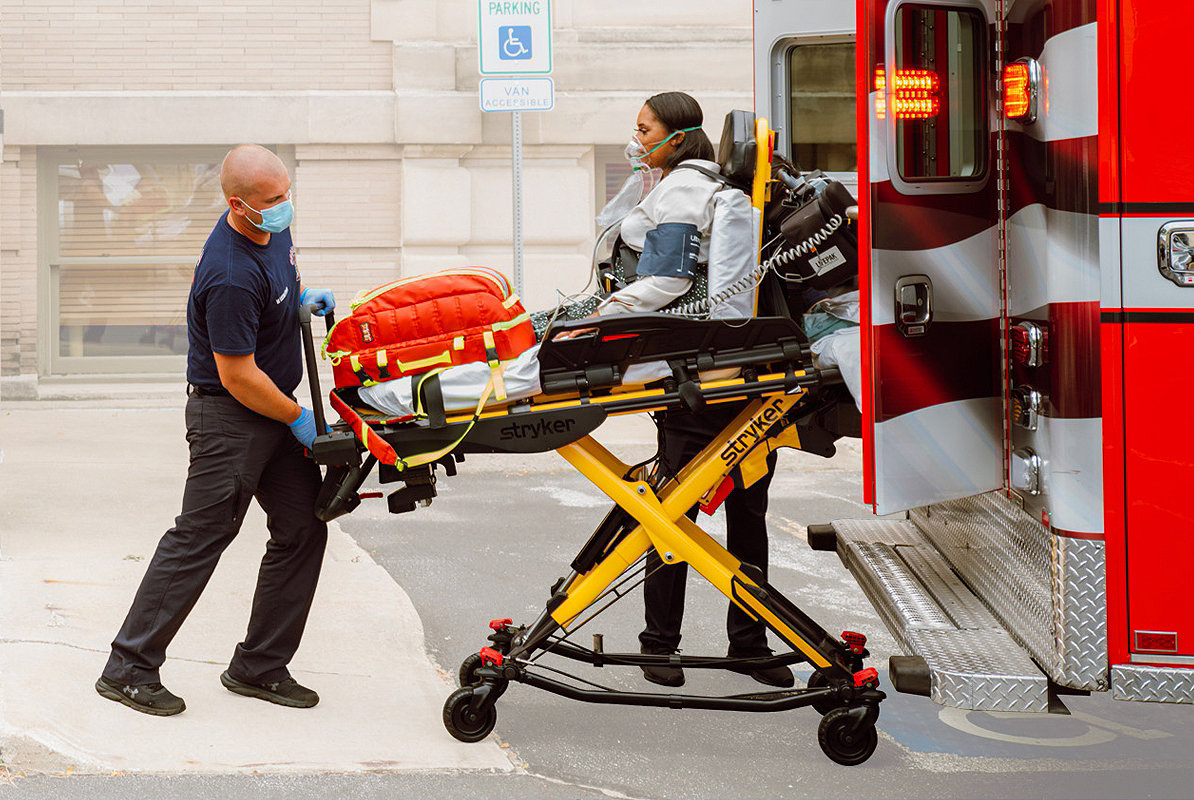
Upcoming webinars and events

Burn management: High-stakes decisions from the scene to the emergency department
Speaker:
Asa Margolis DO, MPH, MS
Associate Professor, Department of Emergency Medicine
Johns Hopkins University School of Medicine
November 4, 2026 1 p.m. - 2 p.m. ET/10 a.m. - 11 a.m. PT
Description: Burn patients present a unique combination of airway, trauma, resuscitation and disposition challenges, with early decisions potentially influencing the course of their care. This presentation follows the burn patient from the scene through the emergency department, emphasizing practical assessment, recognition of inhalation injury, estimation of burn size and depth, initial resuscitation, pain and wound management and identification of patients requiring burn-center consultation or transfer.
Additional training and education resources
Learning center
Enhance your product knowledge with online training.
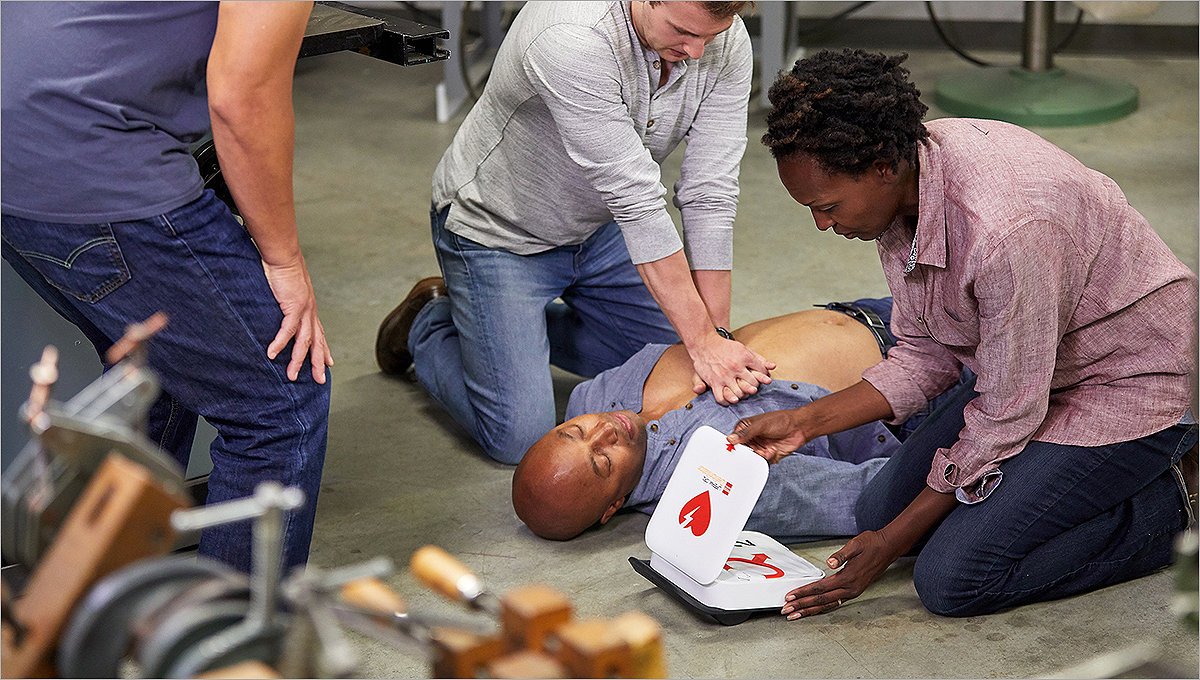
Discover on-demand webinars and online courses to strengthen your clinical knowledge and support your continuing education. Course offerings include 3D biphasic defibrillation animation, implementing AEDs in Law Enforcement, cprINSIGHT analysis technology and more.

Product resources
Find a variety of documents, including best practices, datasheets and clinical information for easy download.
Explore case studies, white papers, checklists and more on topics including LUCAS 3, v3.1 chest compression system, LIFEPAK 15 monitor/defibrillator, biphasic technology, clinical overviews and AEDs in the community.
LUCAS device training center
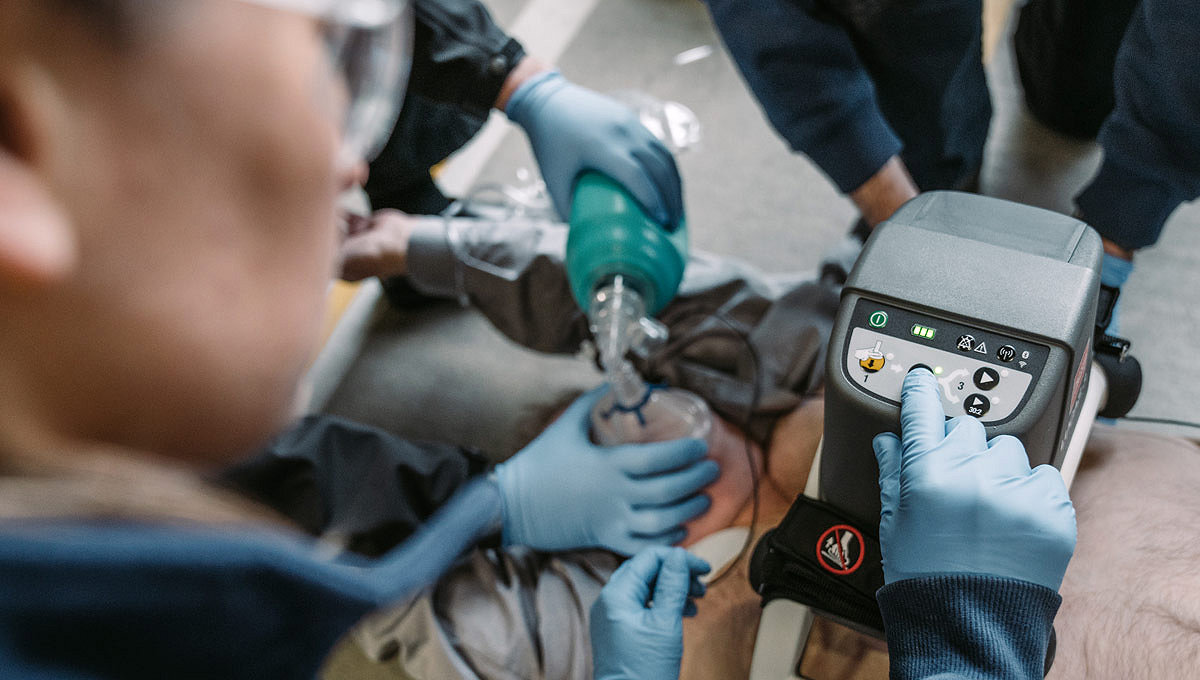
Theoretical and tools for hands-on training for the LUCAS device. Test your knowledge and receive a certificate.
This theoretical and tools for hands-on training course includes a robust offering of videos and instruction on the LUCAS chest compression system. Test your knowledge on how to operate the LUCAS device and receive a personalized certificate.
Featured products

LIFEPAK 35 monitor/defibrillator
The LIFEPAK 35 monitor/defibrillator for hospitals and EMS is a future-ready device designed to promote confident cardiac care, enable clinical excellence and deliver in demanding environments.
Learn more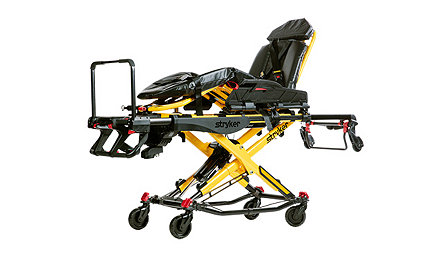
Power-PRO 2 powered ambulance cot
Lift, lower and transport with confidence. Power-PRO 2 is the first connected ambulance cot, built for the relentless workload of emergency response.
Learn more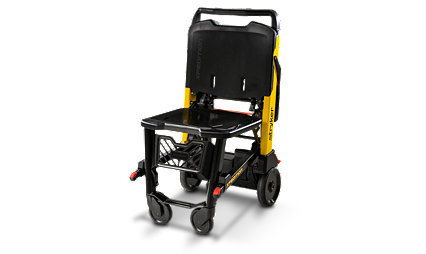
Xpedition powered stair chair
Xpedition, Stryker's first powered stair chair, has uniquely designed features to help decrease your effort while transporting patients and increase your patients' comfort – because the journey is just as important as the destination.
Learn more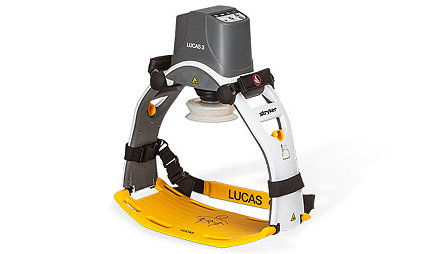
LUCAS 3, v3.1 chest compression system
Deliver high-performance, continuous chest compressions.
Learn more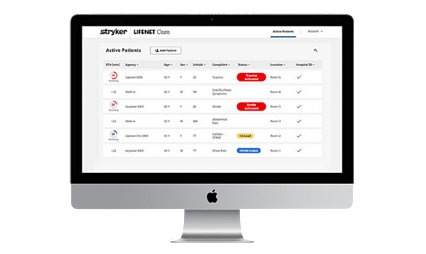
LIFENET Care
Get a more unified view of your patient's journey by customizing protocols on a modern, clean interface. LIFENET Care makes it easy to consolidate patient data, organize your workflow and connect care teams to make your job easier.
Learn more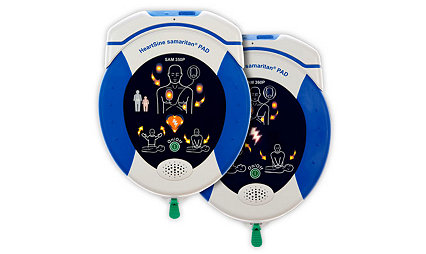
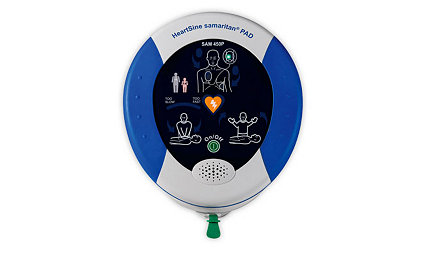
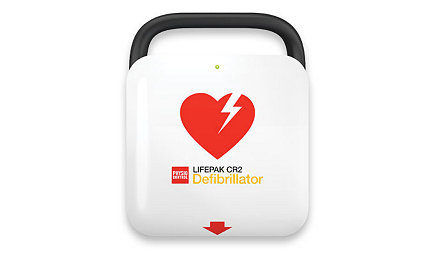
LIFEPAK CR2 defibrillator
The LIFEPAK CR2 AED response system empowers bystanders to help save lives. Innovative, easy-to-operate technology allows continuous CPR and helps streamline communication across the system of care.
Learn more