


A closer look at pressure injury prevention and management
Pressure, shear, moisture and other factors can put vulnerable skin at risk over time1. For high-acuity patients, the powered hospital bed mattress can play an important role within a broader pressure injury prevention and management strategy.
The right surface should do more than support the body. It should help support the care happening around it.

Why pressure injury prevention remains challenging
For high-acuity patients, pressure injury risk is rarely straightforward. Limited mobility, prolonged pressure, shear and moisture can all put vulnerable skin at risk.1 And as patient conditions change, so can their prevention needs.
Care teams know what it takes to help prevent pressure injuries. The challenge is managing those risks alongside countless other clinical priorities. Between skin assessments, repositioning schedules and the demands of caring for critically ill patients, even well-established prevention protocols require constant attention.
That's why the surface beneath the patient matters. Isolibrium PE is designed to help clinicians address pressure redistribution and microclimate management as part of a broader pressure injury prevention strategy.
Support built around the patient
Isolibrium PE brings multiple technologies together to support pressure injury prevention beneath the surface.

Patient specific immersion
Helps increase patient-surface contact area and improve pressure redistribution for the individual patient.

Responsive air pod technology
Four-zone sensor technology automatically adjusts air pod pressure based on patient position and bed articulation to help improve pressure redistribution.

Microclimate management
Air-channeling technology directs air toward areas of the patient’s skin vulnerable to breakdown.

HeelGel
Designed to help redistribute pressure at the vulnerable heel by buckling as heel pressure is applied.
Take a closer look beneath the surface
Across individual U.S. hospital case studies, teams using Isolibrium PE as part of a comprehensive care strategy reported clinical and financial outcomes.
53.6% – 100%
Reported HAPI reduction across seven hospital case studies2-8
Up to $654,955
Reported cost savings across individual hospital case studies4,5,8*

Built to work with care
We designed Isolibrium PE to integrate with ProCuity ZMX, bringing surface controls to the foot end of the bed and giving care teams access to features including therapy history and customizable patient repositioning.
Because supporting vulnerable patients takes more than one intervention. It takes technology designed to work within the care already happening around them.
Resources to support pressure injury prevention
Explore tools and educational resources designed to help your team take a closer look at pressure injury prevention.

Pressure injury calculator
Explore the potential financial impact of pressure injuries at your facility.

Training and education
On-demand webinars, online and in-person training and additional resources created specifically for clinical education.
Interested in learning more? Talk to a rep today.
Thank you for filling out the form! A Stryker representative will be in contact with you shortly.



FAQs
Pressure injury prevention takes more than one intervention. Isolibrium PE is a powered hospital bed mattress designed to help redistribute pressure, manage microclimate and support vulnerable skin. Technologies including Patient Specific Immersion, responsive air pods and HeelGel work together to support patients as part of a comprehensive prevention strategy.
No two patients place pressure on a surface in exactly the same way. Patient Specific Immersion helps increase contact between the patient and support surface, distributing pressure across a larger area rather than concentrating it in vulnerable locations.
Heat and moisture can put vulnerable skin at greater risk of breakdown.1 Isolibrium PE uses air-channeling technology to direct air toward vulnerable areas of the patient's skin, helping manage microclimate as part of a broader pressure injury prevention strategy.
Across seven U.S. hospital case studies, healthcare organizations reported reductions in hospital-acquired pressure injuries (HAPIs) ranging from 53.6% to 100% after implementing Isolibrium PE as part of their prevention strategies.2-8 Individual facilities also reported cost savings associated with their efforts.4,5,8 Results varied by facility and implementation approach.
Isolibrium PE is designed to work with the ProCuity ZMX, bringing surface controls to the foot end of the bed. Together, they give care teams access to features including therapy history and customizable patient repositioning.
Yes. Isolibrium PE is designed to support high-acuity patients, including those at increased risk of pressure injuries. Its technologies help address pressure redistribution and microclimate management while supporting the needs of vulnerable skin.
Critically ill patients often face several overlapping risk factors, including prolonged pressure, shear, moisture and limited mobility.1 Preventing pressure injuries requires a coordinated approach that includes regular skin assessments, repositioning, appropriate support surfaces and ongoing clinical monitoring.
Related
Explore pressure injury prevention resources and solutions.

Supporting pressure ulcer prevention using state-of-the-art ICU beds
Hospital-acquired pressure injuries (also known as pressure ulcers or bed sores) cause substantial patient harm and costs to the healthcare system. In this eGuide, discover how one hospital achieved a 91.7% decrease in hospital-acquired pressure injuries1 using state-of-the-art ICU bed technology – and saved an estimated $660,000 to $5,006,100.*
Learn more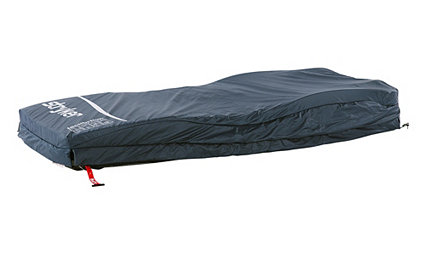
Isolibrium/Isolibrium PE
The ICU support surface designed to help reduce pressure injuries.
Learn more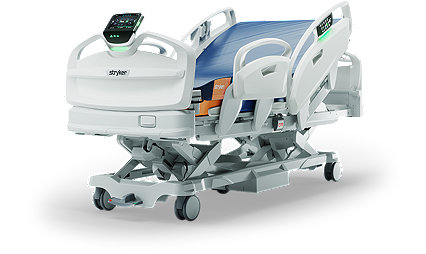
ProCuity ZMX
Designed to enhance safety and outcomes in the ICU while delivering a better experience for nurses and medical teams, with a focus on helping to reduce pressure injuries and supporting early mobility.
Learn more
The Science Behind Support Surfaces Registration
Stryker in partnership with Becker’s Health Review are presenting an on-demand webinar focusing on the utilization of support surfaces technology for prevention and treatment of pressure injuries.
Learn more1. National Pressure Injury Advisory Panel, European Pressure Ulcer Advisory Panel and Pan Pacific Pressure Injury Alliance. (2026). Pressure injuries/ulcers: Definition and etiology. In E. Haesler (Ed.), Prevention and treatment of pressure ulcers/injuries: Clinical practice guideline (4th ed.). The International Guideline.
2.Guthrie (2015). Intensive Care Unit Quality Improvement Initiative Decreases Incidence of Hospital-Acquired Pressure Ulcers.
3. VA Chicago (2017). Ongoing Continuous Quality Improvement Efforts at a Veterans Health Administration Hospital Result in Decreased Incidence of Pressure Injuries.
4. Nebraska Methodist (2018). Early Mobility Program Results in Improved Patient Outcomes and Cost Savings.
5. UAB (2019). Quality Improvement Efforts in an Academic Medical Center to Reduce the Need for Rental Beds and to Prevent Hospital-Acquired Pressure Injury.
6. NYC Metro (2019). Multifaceted Interventions and Quality Improvement Initiative Results in 150 Days Without Hospital-Acquired Pressure Injury.
7. NRMC (2020). Quality Improvement Efforts to Prevent HAPIs in the Intensive Care Unit During COVID-19.
8. Bronxcare Health System (2020). Evidence-Based Quality Improvement Initiative Results in Zero Hospital-Acquired Pressure Injuries and Cost Savings for a Critical Care Population.
*It is important to note that these values derive from U.S. dollar values between 2015-2020 and have not been adjusted for inflation.
AC-ISLB-SYK-3843650_REV-0_en_us