

Speed saves: Racer survives cardiac arrest at the track
02-Oct-2026
3-minute read
When race car driver Scott Vanacore suffered a sudden cardiac arrest at Sebring, rapid STEMI recognition, real-time cardiac data and coordinated care helped save his life.
A sudden event at high speed
On January 9, 2026, race car driver Scott Vanacore was navigating Sebring International Raceway at nearly 180 miles per hour—fully focused, fully in control. But within moments of pulling into the pit, that control began to slip.
What started as a vague feeling of discomfort quickly escalated into chest pain radiating down his arm—an early warning sign of a heart attack. Minutes later, Scott collapsed.
Rapid recognition in a critical moment
On-site safety personnel and paramedics moved quickly. Upon assessment, they identified signs of a ST-elevation myocardial infarction (STEMI)—a life-threatening type of heart attack requiring immediate intervention.
A 12-lead ECG confirmed the diagnosis, and Scott was transported by ambulance as care teams began transmitting his cardiac data directly to the receiving hospital.
During transport, his condition worsened.
Scott went into cardiac arrest, requiring immediate CPR and defibrillation. First responders worked to restore circulation while continuing to send real-time data ahead to the hospital team.
The power of visibility and preparation
At AdventHealth Sebring, clinicians were already monitoring Scott’s condition before he arrived.
Through remote access to his ECG, vital signs and cardiac rhythm, the hospital team could see his deterioration—including the onset of cardiac arrest—and adjust their response in real time. This visibility enabled a critical shift: instead of preparing for a standard cardiac catheterization, the team escalated to a more urgent, high-risk intervention.
By the time Scott reached the hospital, the cath lab was fully prepared.
He was taken directly into treatment, where clinicians quickly identified and opened the blocked artery. A stent was placed just 28 minutes after arrival—helping restore blood flow and stabilize his condition.
Speed makes the difference
For clinicians, Scott's case reinforces a well-established principle in emergency cardiac care: time is muscle.
Early STEMI recognition, rapid initiation of treatment and seamless communication between prehospital and hospital teams is important. In this case, real-time data sharing and coordinated response helped eliminate delays and ensure the right care was delivered at the right moment.
A second chance—and a new perspective
For Scott and his family, the experience was life-changing. While his wife, Tracy, rushed to the hospital uncertain of what she would find, emergency teams continued working to save his life. After multiple resuscitation efforts and advanced cardiac care, Scott survived.
Today, he reflects on the experience with a renewed outlook.
Everything, he says, feels more meaningful. His focus has shifted—from the intensity of racing to a deeper appreciation for health, family and the fragility of life.
Scott is now committed to raising awareness about heart health and preparedness. Inspired by his story, those around him have taken steps to be better equipped for emergencies—including investing in defibrillators for workplaces and community settings.
“If I can help save just one more life,” he said, “it’s been worth it.”
In emergency care, every second counts
Scott’s story highlights what’s possible when speed, insight and coordination come together.
From early recognition in the field to real-time data sharing and rapid in-hospital intervention, every step in the chain of survival played a role. When care teams are connected—and informed—the impact can be lifesaving.
Related

LIFENET System
The LIFENET System is a comprehensive cloud-based platform that intelligently manages and delivers patient information and device data EMS and hospital teams need to work together seamlessly.
Learn more
LIFEPAK 35 monitor/defibrillator
The LIFEPAK 35 monitor/defibrillator for hospitals and EMS is a future-ready device designed to promote confident cardiac care, enable clinical excellence and deliver in demanding environments.
Learn more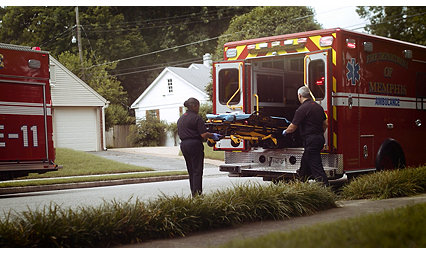
Emergency Care Newsroom
The Emergency Care Newsroom is your source for industry news, clinical information, product and business updates, inspiring stories and more.
Learn more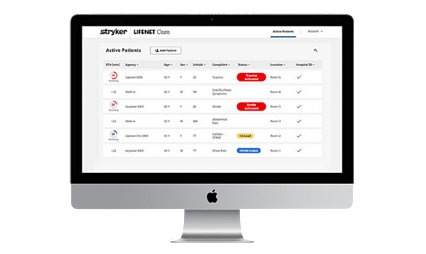
LIFENET Care
Get a more unified view of your patient's journey by customizing protocols on a modern, clean interface. LIFENET Care makes it easy to consolidate patient data, organize your workflow and connect care teams to make your job easier.
Learn moreEC-GSNPS-COMM-3359601_REV-0_en_us